Navigating Rental Unit Planning and Conversion Regulations
- Jun 5
- 4 min read
Converting existing properties into rental units can be a practical way to increase income and maximize property value. However, the process involves navigating a complex set of regulations, especially in New York State. Understanding these rules is essential to avoid costly delays, fines, or legal issues. This post provides clear, practical guidance on rental unit planning and conversion regulations to help property owners make informed decisions.
Understanding Rental Unit Planning in New York State
Rental unit planning involves assessing a property’s potential to be converted into one or more rental units. This process requires knowledge of zoning laws, building codes, and local ordinances. In New York State, these regulations vary by municipality but share common themes.
Zoning laws determine where rental units can be located and how many units are allowed on a property. For example, some residential zones limit the number of units per building or require minimum lot sizes. Before starting any conversion, check with your local zoning office to confirm what is permitted.
Building codes ensure that rental units meet safety and habitability standards. These include requirements for fire exits, ventilation, plumbing, electrical systems, and accessibility. Converting a property without meeting these codes can result in violations and the need for costly renovations.
Local ordinances may impose additional rules, such as rent control, tenant protections, or registration requirements. These rules can affect how you manage your rental units after conversion.
Key steps in rental unit planning:
Review zoning regulations for your property location.
Consult building codes relevant to rental units.
Understand local ordinances affecting rentals.
Develop a plan that complies with all applicable rules.

The Permitting Process for Rental Unit Conversion
Permits are required before converting a property into rental units. The permitting process ensures that your project complies with all regulations and building standards.
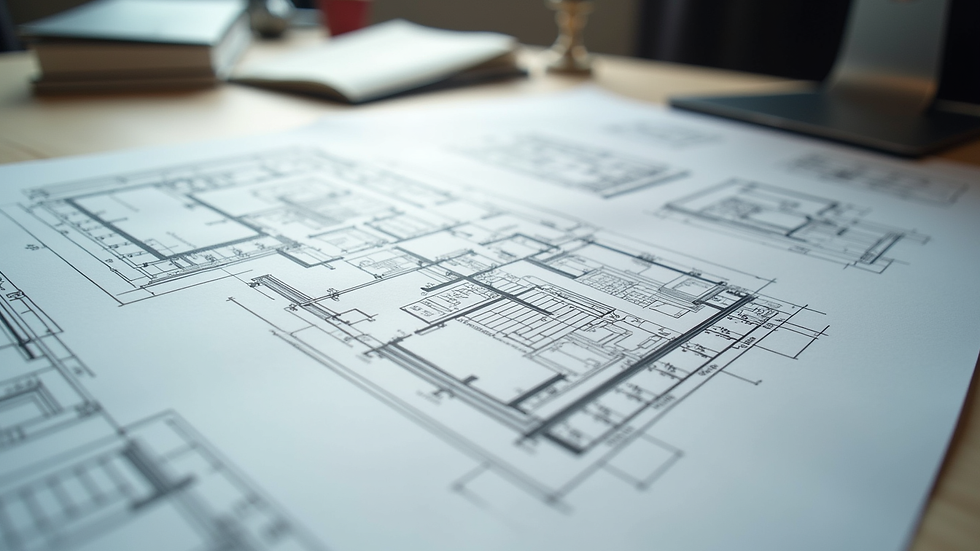
Start by submitting detailed plans to your local building department. These plans should include floor layouts, structural changes, plumbing and electrical modifications, and fire safety measures. It is advisable to work with an architect or professional familiar with local codes to prepare these documents.
Once submitted, the plans will be reviewed for compliance. This review may involve multiple departments, including zoning, fire safety, and health. You may receive requests for revisions or additional information.
After approval, you will receive permits to begin construction or renovation. Inspections will be conducted during and after the work to verify compliance.
Tips for a smooth permitting process:
Hire experienced professionals to prepare your plans.
Communicate clearly with local officials.
Respond promptly to requests for additional information.
Schedule inspections as required.
Following these steps reduces the risk of delays and ensures your project meets all legal requirements.
How to Calculate Unit Conversion?
Calculating unit conversion involves determining how many rental units can be created within a property while complying with zoning and building codes. This calculation depends on factors such as lot size, building size, and required unit dimensions.
Start by measuring the total usable floor area of the property. Then, divide this area by the minimum size required for each rental unit. For example, if the minimum unit size is 400 square feet and your property has 2,000 square feet of usable space, you could theoretically create five units.
However, this calculation must also consider:
Required common areas such as hallways and stairwells.
Space for mechanical systems and utilities.
Parking requirements.
Setbacks and open space rules.
Adjust your calculations to account for these factors. It is often helpful to consult with an architect or planner to create an accurate unit conversion plan.
Common Challenges in Rental Unit Conversion
Several challenges can arise during rental unit conversion projects. Being aware of these issues helps you prepare and avoid costly mistakes.
Zoning restrictions: Some areas prohibit multi-unit conversions or limit the number of units. This can restrict your project scope or require zoning variances.
Building code compliance: Older buildings may not meet current codes. Upgrading electrical, plumbing, or fire safety systems can be expensive.
Historic preservation rules: Properties in historic districts may face additional restrictions on alterations.
Tenant rights and rent control: If the property already has tenants, conversion may trigger rent control or relocation requirements.
Financing and insurance: Lenders and insurers may have specific requirements for converted rental units.
To address these challenges:
Conduct thorough due diligence before starting.
Work with professionals experienced in local regulations.
Budget for unexpected costs.
Communicate clearly with tenants if applicable.
Best Practices for Successful Rental Unit Conversion
Successful rental unit conversions require careful planning and execution. Here are some best practices to follow:
Start with a feasibility study: Assess zoning, building codes, and market demand before investing.
Engage professionals early: Architects, engineers, and attorneys can help navigate regulations.
Develop detailed plans: Include all structural, mechanical, and safety features.
Obtain all necessary permits: Do not start work without approvals.
Maintain clear records: Keep copies of permits, inspections, and correspondence.
Plan for inspections: Schedule and prepare for all required inspections.
Communicate with neighbors and tenants: Address concerns proactively.
Stay updated on regulations: Laws can change, so monitor local updates.
Following these steps increases the likelihood of a smooth project and a compliant rental property.
Moving Forward with Rental Unit Conversion Plans
Navigating rental unit conversion regulations can be complex, but it is manageable with the right approach. I recommend reviewing your property’s zoning and building requirements carefully. Consider consulting with an architect or planning professional to develop compliant rental unit conversion plans.
Taking the time to understand and follow regulations protects your investment and ensures your rental units are safe and legal. With proper planning, you can successfully convert your property and create valuable rental income.


Comments